
A truly clean home is the ultimate sanctuary, but achieving it often feels like an uphill battle. Many homeowners find themselves trapped in an exhausting cycle of daily dusting, vacuuming, and scrubbing, only to find a fresh layer of grime settling over their surfaces just a few days later. When a house requires non-stop reactive cleaning, the issue rarely stems from a lack of effort. Instead, the culprit is usually the home’s foundational infrastructure. Aging surfaces, porous materials, drafty gaps, and neglected mechanical systems constantly generate, trap, and distribute dirt throughout your living spaces. To break free from this cycle, you must shift your approach from reactive cleaning to proactive design and maintenance. By strategically upgrading the materials and structural components of your home, you can engineer cleanliness directly into your living space.
Breathability and Invisible Dust: Optimizing Indoor Air Quality
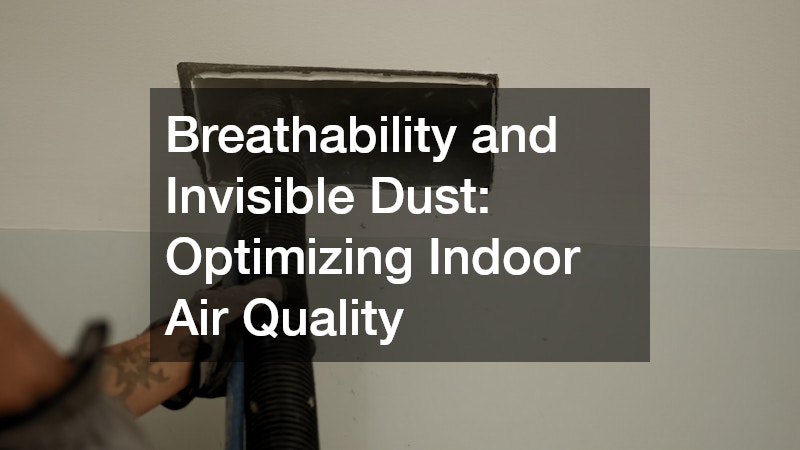
Even if your floors are spotless, your home can still feel dirty if the air is heavy with floating dust particles, pet dander, and allergens. Airborne debris constantly circulates through your living spaces, settling on furniture and countertops immediately after you wipe them down. Managing this invisible layer of grime requires addressing the primary entry points and distribution networks of your home’s air supply.
The hidden network of pipes feeding your heating and cooling system is often the single largest reservoir of dust in a house. Over years of operation, the interior surfaces of these passages accumulate thick layers of sloughed-off skin cells, carpet fibers, pet hair, and even construction debris. Every time your furnace or air conditioner kicks on, a micro-blast of this debris is pushed out into your living rooms. Investing in a professional residential air duct cleaning removes these deep-seated contaminants at the source. This comprehensive system purge stops the endless recirculation of dust, meaning your furniture stays clean significantly longer after dusting.
Simultaneously, you must look at how outdoor pollutants make their way inside. Aging windows often suffer from degraded weatherstripping and warped frames, creating micro-gaps that act as a vacuum for outdoor dirt. During high-wind days or high-pollen seasons, these gaps pull in fine street dust, soot, and allergens. Utilizing a professional window replacement service to install modern, tightly sealed, energy-efficient units creates an unyielding barrier against the elements. Modern units utilize advanced interlocking sashes and premium weather seals that lock out external debris, keeping your window sills and nearby surfaces pristine.
To maximize your home’s air purity on a daily basis, implement these practical habits:
- Change your HVAC filters every 60 to 90 days, opting for pleated filters with a MERV rating of 11 or higher to capture micro-particles.
- Place high-efficiency particulate air (HEPA) purifiers in bedrooms and living areas to continuously scrub the air of floating pet dander.
- Keep your home’s relative humidity between 30% and 50% to prevent dust mites from multiplying and to discourage mold spores from germinating.
High-Traffic Flooring: Designing for Low-Effort Mopping and Sweeping
Floors bear the brunt of daily life, catching every spilled drink, muddy footprint, and dropped piece of food. Traditional flooring materials, particularly high-pile carpeting, act as giant sinks that absorb liquid stains and permanently trap microscopic debris deep within their fibers. No matter how often you vacuum, a carpeted floor retains deep-set dirt that degrades indoor air quality and creates localized odors.
Transitioning away from textiles toward hard, non-porous surfaces is the most impactful change you can make for a cleaner home. Initiating a new floor installation featuring luxury vinyl plank, engineered hardwood, or glazed porcelain tile completely transforms your cleaning routine. These hard surfaces do not harbor dust mites or hold onto liquids, allowing you to completely sanitize your living space with a simple microfiber mop and a neutral cleaner. Furthermore, modern locking joints minimize the gaps between planks, leaving nowhere for crumbs and dirt to hide.
The entryways and workspaces of a home, such as the garage or a mudroom, present unique cleaning challenges. Raw concrete floors are highly porous and inherently brittle, meaning they continuously shed a fine, chalky white dust as they wear down. This dust is easily tracked into the main house on the bottoms of shoes. Coating these zones with an epoxy garage floor finish seals the substrate behind a seamless, impermeable armor. This heavy-duty resin resists automotive fluids, repels moisture, and prevents concrete dust formation entirely, turning a notoriously dirty workspace into a pristine zone that can be cleaned with a garden hose or a push broom.
To maintain your new hard floors with minimal effort, consider these structural habits:
- Implement a strict no-shoes policy inside the house, providing a dedicated bench and shoe rack right by the main entryway.
- Use washable, low-profile barrier mats both inside and outside every exterior door to catch up to 80% of surface dirt before it reaches your main floors.
- Use a soft-bristled broom or a vacuum cleaner specifically rated for hard surfaces to prevent micro-scratches that can catch and hold dirt over time.
The Heart of the Home: Ultra-Hygienic Kitchen and Bathroom Surfaces
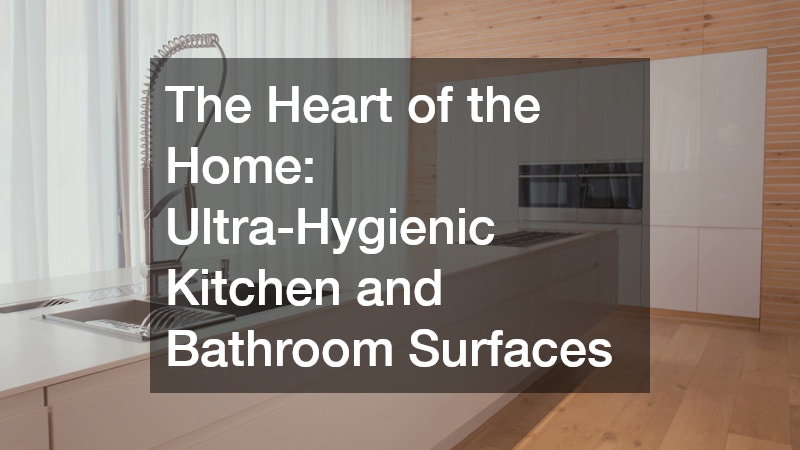
Kitchens and bathrooms are the absolute highest priorities for household hygiene. Because these spaces deal with food preparation and moisture, they are highly susceptible to bacterial growth, grease buildup, and mold. Standard builder-grade materials in these rooms often contain seams, textures, and grout lines that make sanitization incredibly difficult.
Your cabinetry plays a massive role in how much time you spend cleaning your kitchen. Traditional cabinet doors with intricate molding, raised panels, or deep wood grains act as shelves for airborne grease and cooking residue. Over time, this mixture creates a sticky film that binds with dust and requires aggressive chemical scrubbing to remove. Enlisting professional cabinet services to replace or reface your storage fronts with flat-panel, slab-style doors creates a radically simpler environment. Smooth matte or high-gloss laminates lack the crevices where grease collects, allowing you to restore a spotless finish with a single wipe of a damp cloth.
Countertops are another critical area where material selection determines your daily cleaning workload. Old laminate surfaces easily scratch and peel, creating microscopic pockets where bacteria thrive, while tiled counters feature miles of porous grout lines that collect stains and cultivate black mold. Upgrading your food preparation areas through professional countertop services to introduce non-porous materials like quartz or solid surface sheets eliminates these issues. Because high-quality quartz completely lacks pores and requires no annual sealing, juices, oils, and bacteria remain entirely on the surface where they can be destroyed instantly with basic soap and water.
Keep your kitchen and bathroom work surfaces pristine by applying these daily strategies:
- Run your kitchen range hood for at least ten minutes after you finish cooking to capture airborne grease before it can settle onto the tops of your cabinets.
- Wipe down bathroom counters immediately after your morning routine to prevent toothpaste, soap scum, and standing water from etching the surfaces.
- Store frequently used small appliances inside a dedicated appliance garage or pantry to keep your countertops clear and exceptionally easy to wipe down.
Light and Dust Control: Managing Your Windows and Window Coverings

Windows bring beautiful natural light into a home, but they also highlight the floating dust particles and smudges that accumulate on your window treatments. Traditional window coverings like heavy fabric draperies, horizontal aluminum mini-blinds, and fabric shades are notorious dust magnets. Because they are difficult to clean, they are often neglected, turning into secondary reservoirs of allergens that contaminate the air every time they are opened or closed.
Replacing fabric drapes with custom shutters made of solid hardwood or synthetic composites is an exceptionally effective upgrade for dust control. These architectural window treatments feature wide, smooth louvers that can be dusted in seconds using a microfiber wand or a damp cloth. Because they are rigid and seamless, they do not hold onto static electricity the way plastic blinds do, which greatly reduces the speed at which dust accumulates. Their sturdy construction also means they can withstand regular wipe-downs without bending, warping, or fraying over decades of use.
Maintaining crystal-clear glass and dust-free windows involves a few specific maintenance habits:
- Clean your window glass using a mixture of distilled water and a splash of white vinegar, paired with a waffle-weave microfiber cloth to prevent lint trails and streaks.
- Vacuum your window sills and tracking channels using a soft brush attachment every time you clean the floors to prevent bugs and dirt from building up in the mechanisms.
- Clean your window screens annually by popping them out, scrubbing them gently with soapy water, and rinsing them thoroughly to ensure the air blowing into your home is clean.
Preventing Hidden Disasters: Structural Maintenance for a Dry, Mold-Free Home
While interior surfaces dictate your daily cleaning chores, the exterior envelope of your house dictates whether your home remains structurally clean or succumbs to catastrophic hidden contamination. Moisture infiltration from the outside world is the single greatest threat to a clean household, as it quickly leads to rotted wood, degraded drywall, and extensive toxic mold colonies behind your walls.
Your roof is your home’s primary shield against water damage, making its upkeep non-negotiable. Over time, wind, hail, and sun exposure degrade shingles, crack pipe boots, and tear away chimney flashing. Even a tiny, slow drip in the roofline can go unnoticed for months, quietly saturating attic insulation and breeding toxic black mold that compromises the air quality of the entire living space below. Securing professional roofing services to conduct annual inspections, patch compromised flashing, and replace missing shingles keeps your home completely dry and free from the musty odors associated with structural dampness.
Similarly, the vertical walls of your home require robust protection against driving rains and pests. Wood siding that is peeling, rotting, or splitting allows water to seep into the wall cavities, creating hidden pockets of decay. Engaging local siding contractors to upgrade your exterior to modern fiber-cement or premium insulated vinyl siding forms a durable barrier against moisture and insects. These modern materials do not absorb water, resist mold growth on their surfaces, and are designed to shed dirt easily, requiring nothing more than a light power washing once a year to look brand new.
Protect your home’s exterior envelope from water-related cleanliness issues by following these protocols:
- Clear your gutters and downspouts at least twice a year to ensure rainwater is directed safely away from your roofline and foundation.
- Trim tree branches back at least six feet from your roof and siding to prevent scraping, excess shade, and damp microclimates that encourage moss growth.
- Inspect the exterior caulking around doors and utility penetrations annually, replacing brittle sealants with premium exterior-grade silicone.
Behind the Walls: Ensuring Smooth Water Flow and Odor Prevention
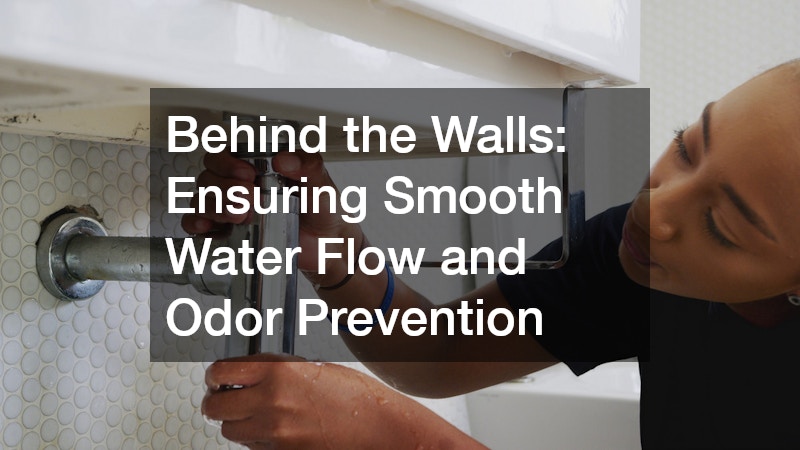
A home that looks visually spotless can still feel unhygienic if it suffers from persistent, unpleasant odors. Foul smells coming from kitchen sinks, bathroom showers, or laundry drains instantly ruin the ambiance of an otherwise beautiful room. These odors are almost always caused by the slow, unseen accumulation of waste matter inside your plumbing drainage pipes.
Over months and years of daily use, your drainage lines collect a thick buildup of hair, congealed cooking fats, soap scum, and organic waste. This slurry clings to the interior walls of the pipes, restricting water flow and creating an ideal environment for foul-smelling bacteria to colonize. Routine professional drain cleaning utilizing hydro-jetting or mechanical scrubbing scours these lines completely clean down to the bare pipe wall. Removing this internal layer of sludge eliminates the root cause of slow-moving water and prevents sulfurous sewer gases from backing up into your living spaces.
Keep your plumbing system flowing perfectly and smelling fresh with these preventative measures:
- Use fine-mesh drain strainers in every shower and tub to catch hair and soap fragments before they enter the waste lines.
- Never pour cooking grease, oils, or fibrous foods down the kitchen sink, even if you have a high-powered garbage disposal.
- Flush your drains once a month with a gallon of boiling water mixed with a half-cup of baking soda to naturally break down minor surface oils.
Creating a cleaner home is not about buying more expensive vacuum cleaners or dedicating your weekends to endless scrubbing. True, sustainable cleanliness is achieved by taking a critical look at the materials, surfaces, and systems that make up your house. By systematically upgrading to non-porous kitchen counters, replacing old carpets with hard flooring, sealing your air delivery systems, and fortifying your exterior defenses against moisture, you attack dirt and grime at their structural roots. These strategic investments transform your home into a self-defending system that inherently repels dust, allergens, and odors. Ultimately, designing a low-maintenance home rewards you with the greatest luxury of all: a healthy, pristine living space that gives you back your valuable time.