Heating and cooling costs are one of the biggest ongoing expenses for homeowners. Whether it’s keeping your home warm in the winter or cool during peak summer heat, your system works hard year-round—and that effort comes with a price tag. The challenge isn’t just the cost itself, but knowing how to manage it wisely.
Many homeowners end up overspending simply because they don’t know their options. They wait until something breaks, rush into a decision, and pay more than necessary. The good news is that with a little planning and the right information, you can significantly reduce your expenses while still maintaining a comfortable, efficient home.
This guide walks you through practical, money-saving strategies you can apply immediately. From choosing the right service providers to understanding when to repair versus replace, you’ll learn how to make smarter decisions that protect both your home and your wallet.
How to Compare Service Providers Without Overpaying
Choosing between HVAC companies can feel overwhelming, especially when you’re trying to balance quality and affordability. Prices can vary significantly from one provider to another, and without knowing what to look for, it’s easy to assume the lowest bid is the best option. However, long-term value often matters more than upfront savings.
Look Beyond the Lowest Quote
The cheapest estimate isn’t always the best deal. In fact, unusually low bids can signal:
- Inexperienced technicians
- Use of lower-quality parts
- Hidden fees added later
Instead, compare:
- The scope of work included
- Warranty coverage
- Estimated timeline
Questions to Ask Before Hiring
Before committing, ask every provider:
- Are you licensed and insured?
- What warranties do you offer on labor and parts?
- Do you provide written estimates?
These questions help you avoid costly surprises and ensure you’re working with a professional.
How to Spot Value-Driven Service Plans
Many providers offer maintenance plans that can save money over time. These plans often include regular inspections, discounts on repairs, and priority scheduling during peak seasons. While they may require a small upfront commitment, they typically reduce emergency costs and extend the life of your system.
Deciding Between Repair and Replacement to Save Money
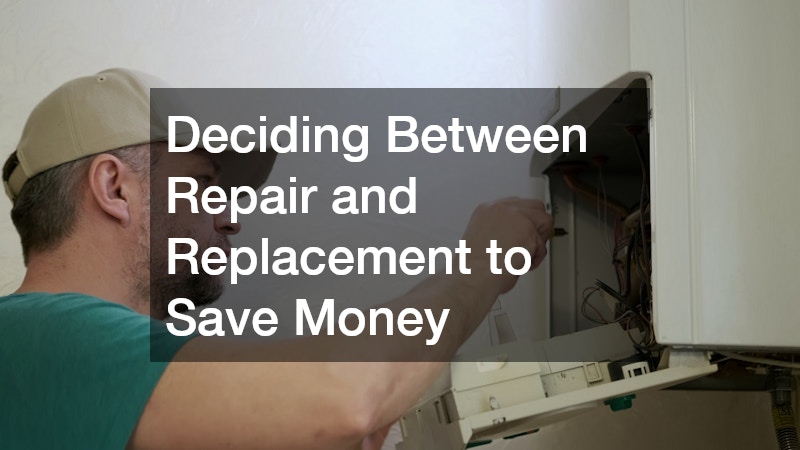
One of the biggest cost decisions homeowners face is whether to fix an existing system or invest in a new one. It’s not always an easy call, especially when the system still works but shows signs of wear. Understanding the financial implications of each option can help you avoid overspending.
The 50% Rule for Cost Efficiency
A simple guideline is that if a repair costs more than half the price of a new system, replacement may be the better option. This rule helps you avoid sinking money into equipment that is nearing the end of its lifespan. It’s especially useful when evaluating major repairs.
Common AC Problems That Are Cheap to Fix
Not every issue requires a full replacement. Many AC repair service calls address minor problems like:
- Dirty or clogged filters
- Faulty thermostats
- Worn-out capacitors
These fixes are relatively inexpensive and can quickly restore performance.
When Repairs Become a Money Pit
If your system requires frequent service calls, the costs can add up quickly. Rising energy bills and inconsistent performance are also warning signs that your system is losing efficiency. At some point, continuing to repair an aging system becomes more expensive than replacing it altogether. Recognizing this tipping point is key to making a cost-effective decision.
Budgeting for New Systems Without Overspending
Installing a new system is a major investment, but careful planning can make it much more affordable. Many homeowners overpay simply because they rush into a decision without exploring all their options. Taking time to research pricing, timing, and available incentives can significantly reduce your costs. Whether you’re planning HV AC installations or upgrading specific components, a strategic approach can save you thousands.
Choosing the Right System Size for Your Home
An incorrectly sized unit can lead to inefficiency, higher energy bills, and unnecessary wear and tear. A professional assessment ensures your system is properly matched to your home’s size and insulation. This step is essential for long-term savings.
Timing Your Installation for Lower Costs
The best time to schedule an AC installation is during off-peak seasons like early spring or fall. During these times, demand is lower, and contractors are more likely to offer discounts. Planning ahead allows you to take advantage of better pricing.
Rebates, Tax Credits, and Financing Options
Before committing to a new system, explore available rebates and incentives. Many energy-efficient systems qualify for federal tax credits or local utility rebates. Financing options can also make upfront costs more manageable. Taking advantage of these opportunities can significantly reduce your overall investment.
Cost-Saving Heating Options for Different Home Types
Heating systems vary widely in cost, efficiency, and suitability depending on your home. Choosing the right option can have a major impact on both your upfront expenses and long-term energy bills. It’s important to evaluate your climate, home layout, and existing infrastructure before making a decision.
Comparing Furnace vs Boiler Operating Costs
Furnaces heat air quickly and are often less expensive to install, but they can lose efficiency through ductwork. Boilers, on the other hand, provide consistent and even heat, often with better energy efficiency. Each system has its advantages depending on your needs.
When a Gas Furnace Makes Financial Sense
Gas furnaces are typically more affordable upfront and work well in colder climates. They are especially practical for homes that already have ductwork in place. This makes them a popular choice for many homeowners.
Budget-Friendly Boiler Upgrades
Boilers tend to last longer and require less maintenance over time. While the initial cost may be higher, their efficiency can lead to lower utility bills. Retrofitting an existing system instead of replacing it entirely can also help reduce costs. This makes boilers a strong long-term investment for certain homes.
Is a Ductless System Worth the Investment?
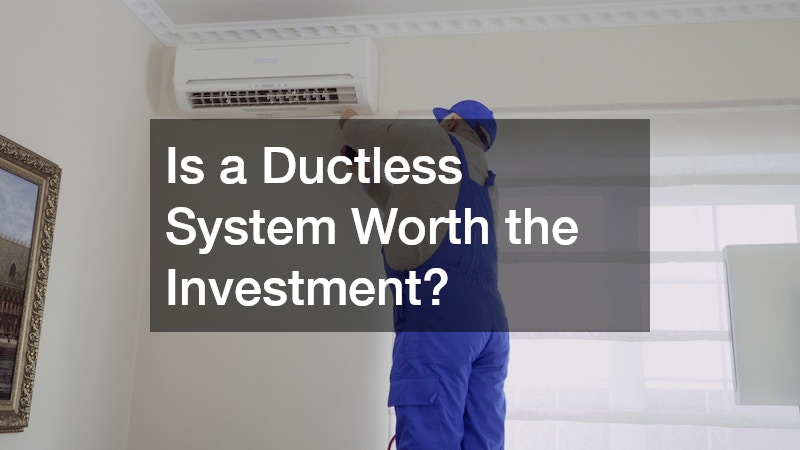
Ductless systems have become increasingly popular due to their flexibility and efficiency. They offer a modern solution for homes that lack traditional ductwork or need targeted temperature control. While the upfront cost can be higher, the long-term savings often make up for it. Ductless mini split heat pump installations are especially appealing for homeowners looking to reduce energy waste and improve comfort.
Where Ductless Systems Save the Most Money
These systems are ideal for:
- Older homes without ducts
- Home additions
- Converted spaces like garages or basements
They eliminate the need for costly ductwork installation.
Installation vs Long-Term Energy Savings
Although the initial investment can be higher, ductless systems often result in lower monthly energy bills. Their efficiency comes from delivering air directly to specific zones, reducing wasted energy. Over time, these savings can offset the installation cost.
Zoning Benefits for Reducing Monthly Expenses
Ductless systems allow you to control temperatures in individual rooms. This means you only heat or cool the spaces you actually use. By avoiding unnecessary energy consumption, you can significantly reduce your monthly utility bills. This level of control is one of the biggest advantages of going ductless.
How to Find the Right Specialist for Water Heating Needs
Water heating is a major part of your home’s energy usage, and choosing the right professional can make a big difference in cost and efficiency. Many homeowners overlook this area until something goes wrong, which often leads to rushed and expensive decisions. Working with an experienced water heater contractor allows you to plan ahead and choose solutions that fit your budget. With the right guidance, you can improve performance while lowering long-term expenses.
Repair vs Replacement Cost Breakdown
Older systems often require frequent repairs, which can quickly add up. If your unit is over a decade old, replacement may be more cost-effective. A professional can help you weigh the costs and benefits of each option.
Energy-Efficient Upgrades That Lower Bills
Modern systems are designed to use less energy while delivering better performance. Options like tankless units or high-efficiency models can significantly reduce utility costs. Proper insulation also plays a key role in maintaining efficiency.
Questions to Ask Before Hiring a Contractor
Before making a decision, ask about expected lifespan, maintenance requirements, and available energy-saving options. Understanding these details helps you make an informed choice. A knowledgeable contractor should be able to explain your options clearly and recommend the most cost-effective solution. This ensures you get the best value for your investment.
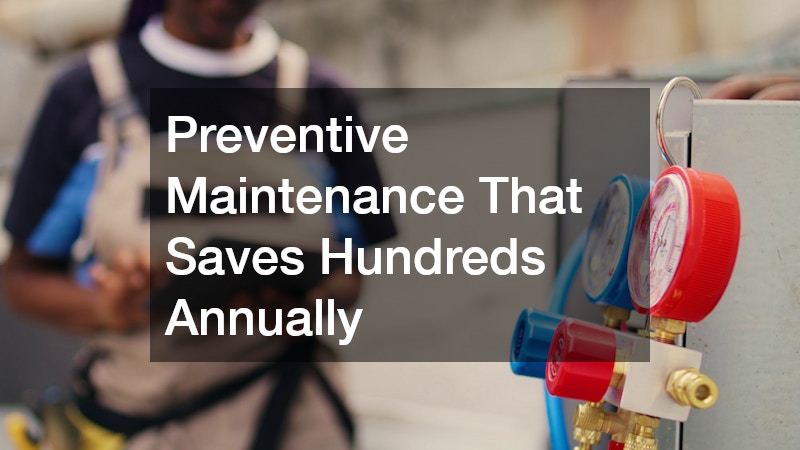
Preventive Maintenance That Saves Hundreds Annually
Routine maintenance is one of the most effective ways to keep costs under control. Many expensive repairs can be avoided simply by addressing small issues early. Regular upkeep not only improves efficiency but also extends the lifespan of your system. Investing in residential HVAC service on a consistent basis helps prevent unexpected breakdowns and reduces the need for emergency HVAC repair service calls.
Simple Monthly Tasks Homeowners Can Do
- Replace or clean air filters
- Clear debris from outdoor units
- Check vents for proper airflow
These simple tasks can have a noticeable impact on performance.
Annual Tune-Ups That Prevent Major Repairs
Professional inspections typically include cleaning components, checking system performance, and identifying potential issues. These visits are essential for keeping your system running smoothly. Catching problems early can prevent costly breakdowns.
Maintenance Plans vs Pay-As-You-Go
Maintenance plans often include regular inspections and discounts on repairs. While they require a small upfront cost, they can save money over time by preventing major issues. Pay-as-you-go service may seem cheaper initially, but it often leads to higher costs in the long run. Choosing a plan can provide peace of mind and consistent savings.
How to Reduce Energy Bills Without Replacing Your System
Lowering your energy bills doesn’t always require a major upgrade. In many cases, small adjustments can lead to significant savings. By improving efficiency and reducing waste, you can get more out of your existing system. Many HVAC companies recommend starting with simple changes before considering more expensive solutions, and in some cases, an AC repair service can restore efficiency without requiring a full replacement.
Thermostat Optimization Tips
- Use programmable or smart thermostats
- Adjust temperatures when away from home
- Avoid extreme settings
These habits can significantly reduce energy consumption.
Sealing Leaks and Improving Insulation
Air leaks and poor insulation are common causes of energy loss. Sealing gaps around windows and doors can improve efficiency. Adding insulation in key areas can also make a noticeable difference.
Airflow Improvements That Boost Efficiency
Proper airflow is essential for system performance. Keeping vents clear and scheduling occasional duct cleaning can improve efficiency. Addressing airflow issues promptly helps your system operate more effectively. These small improvements can lead to noticeable savings over time.

Hidden Costs to Watch Out for in Service Projects
Unexpected expenses can quickly turn a budget-friendly project into a costly one. Many homeowners are caught off guard by fees and add-ons that weren’t included in the original estimate. Understanding these potential costs in advance allows you to plan more accurately. Whether you’re dealing with HVAC installations or a gas furnace installation, knowing what to expect can help you stay within budget.
Permit Fees and Inspection Costs
Depending on your location, permits and inspections may be required. These costs are often overlooked but can add up quickly. It’s important to factor them into your overall budget.
Add-Ons That Inflate Your Final Bill
Contractors may suggest additional features or upgrades during the project. While some add-ons provide value, others may not be necessary. Evaluating each recommendation carefully helps you avoid overspending.
Warranty Limitations That Can Cost You Later
Not all warranties are created equal, and some may have limitations that lead to unexpected expenses. It’s important to understand what is covered and for how long. Reviewing the fine print before agreeing to a project can prevent costly surprises down the road. This ensures you’re fully protected after the work is completed.
Planning Ahead for Long-Term Heating and Cooling Savings
Taking a long-term approach to your home’s heating and cooling needs can make a significant difference in overall costs. Instead of reacting to problems as they arise, proactive planning allows you to spread out expenses and take advantage of better pricing. This approach also gives you time to research options and choose the most efficient systems. Whether you’re considering future boiler installations or preparing for a new AC installation, having a plan in place puts you in control.
Creating a 5–10 Year Budget
Planning ahead helps you anticipate major expenses and avoid financial strain. By setting aside funds for future upgrades and maintenance, you can handle costs more comfortably. This strategy also reduces the likelihood of needing emergency replacements.
Tracking System Performance and Expenses
Keeping records of repairs, maintenance, and energy usage can provide valuable insights. Over time, this information helps you identify patterns and make better decisions. It also allows you to spot inefficiencies early.
When to Upgrade for Maximum Savings
Upgrading at the right time can save you money in the long run. Waiting too long often leads to higher repair costs and reduced efficiency. Planning your upgrades in advance allows you to take advantage of promotions and avoid peak-season pricing. This ensures you get the best value while maintaining comfort in your home.