A garage door that sticks, groans, or hesitates before opening is easy to ignore when you’re rushing out the door in the morning. But that small delay is rarely a one-time glitch, and treating it like background noise can turn a simple fix into a major expense. Understanding what causes the sticking and why it worsens over time helps you decide when to act, what it might cost, and how to protect the rest of your home in the process. The longer a minor mechanical issue sits unaddressed, the more components it tends to drag down with it.
What Causes a Garage Door to Stick in the First Place
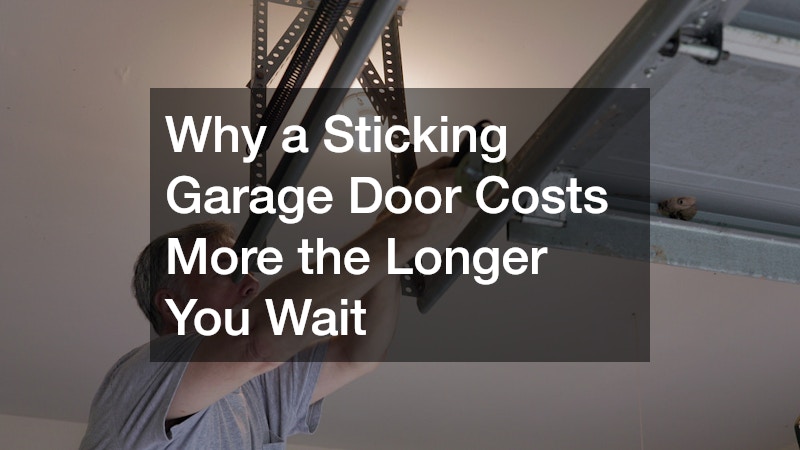
A sticking garage door usually points to friction somewhere in the system rather than a single broken part. Tracks can bend slightly out of alignment, rollers can wear down or collect debris, and the door’s weight distribution can shift as springs age and lose tension. Humidity and temperature swings also cause wood panels to swell or metal tracks to contract, both of which create resistance during normal operation.
Because so many small factors contribute to sticking, the fix is rarely obvious without a closer look. This is where garage door repair professionals earn their value, since they can pinpoint whether the problem is mechanical, structural, or related to the opener itself. Catching the actual cause early prevents the issue from compounding into something that affects the entire door assembly.
How a Small Delay Becomes a Bigger Mechanical Problem
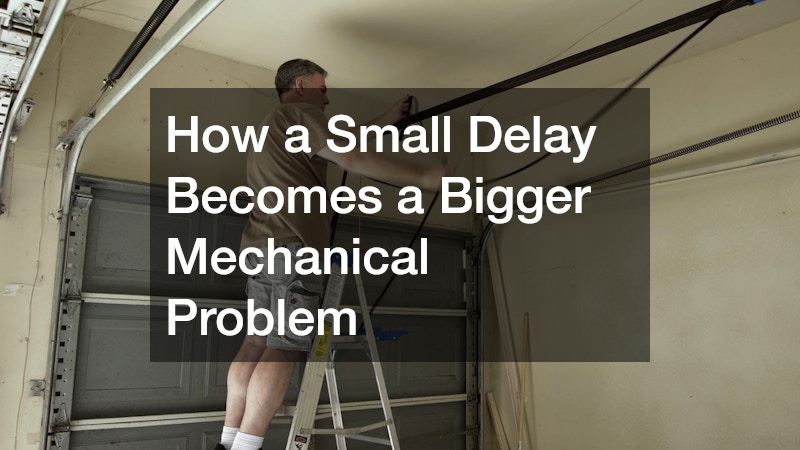
A door that sticks even slightly forces the opener motor to work harder every single time it cycles. That extra strain doesn’t stay contained to one part; it spreads to the springs, cables, and rollers that all depend on smooth, even movement. Over weeks or months, this added stress accelerates wear on components that were never designed to fight against resistance.
The financial impact of this creep is significant. A worn roller might cost very little to replace on its own, but a burned-out opener motor or a snapped cable caused by prolonged strain is a much larger repair.
- A misaligned track left unaddressed can bend further and damage rollers
- A struggling opener motor can overheat and fail completely
- Unequal spring tension can cause the door to fall unevenly, risking damage to the panels
- Small drivetrain issues can eventually require full opener replacement
Why Waiting Increases the Risk of a Full Door Replacement
There’s a tipping point where repair is no longer the cheaper option, and a sticking door left untreated can push you past it. Every time the opener forces a misaligned door through its cycle, it adds stress to parts that weren’t designed to compensate for the sticking point, and that strain doesn’t stay contained to one component for long.
Continuous strain on panels, hinges, and tracks can warp the door structure itself, especially in older units that were already showing signs of age. A track that’s slightly bent will keep pulling the door off-center, which in turn puts uneven pressure on the panels above it. Over months, that pressure can bow steel panels or crack wood ones, and once a panel is bent, it rarely goes back to true even after the track is fixed.
Once the frame or panels are compromised, patch repairs stop being effective and the conversation shifts toward full replacement. A single new panel can run several hundred dollars on its own, and matching an older door’s finish or model is often difficult if not impossible, sometimes requiring a painting service just to make a replacement panel blend in with the rest of the door. At that point, most homeowners find that replacing the whole door costs little more than trying to source and install mismatched parts for one that’s already failing.
A worn roller might cost $15 to $30 to replace, while a full track and spring overhaul can run into several hundred dollars. Wait too long, though, and that same door can bend a track, crack a panel, or burn out the opener motor trying to compensate for the resistance, pushing the total bill toward a full replacement costing well over a thousand dollars. This is a costly outcome that early attention almost always prevents.
A qualified garage door installer can usually tell within minutes whether a door is a candidate for repair or heading toward replacement. They’ll check things like track alignment, spring tension, panel condition, and how smoothly the door travels on its rollers, all of which point to how much life is left in the system.
Getting that assessment sooner rather than later gives you more options and more control over the budget. You may be able to choose a targeted repair on your own schedule, rather than facing an emergency call after the door fails completely and locks your car inside or leaves your home exposed overnight.
The Hidden Safety Risks of Ignoring a Sticking Door
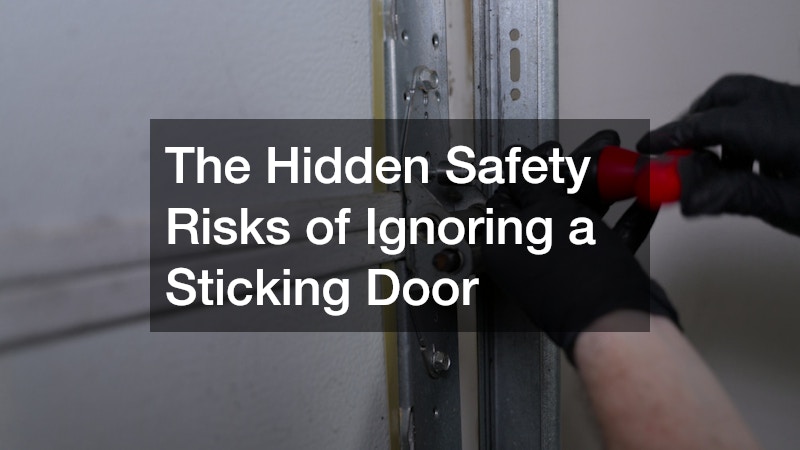
Beyond cost, a sticking garage door is a safety concern that shouldn’t be dismissed. A door that hesitates or reverses unpredictably can be a sign that the safety sensors or balance mechanism aren’t functioning correctly. This matters even more in households with children or pets who might be near the door when it moves unexpectedly.
- Uneven closing can indicate spring imbalance, which poses a risk during operation
- Delayed sensor response can prevent the door from reversing in time
- A door that suddenly drops can cause injury or damage to vehicles
- Frayed or stretched cables can snap under continued tension
What a Professional Inspection Actually Involves
Many homeowners assume a repair visit means simply lubricating a track or swapping a roller, but a thorough inspection covers much more ground. Technicians typically check spring tension, opener calibration, track alignment, and the condition of cables and hinges as a complete system rather than isolated parts. This comprehensive approach is exactly why working with an established garage door company tends to produce longer-lasting results than a quick DIY fix.
A reputable garage door business will also document what they find and explain the urgency of each issue in plain terms, so you’re not left guessing about what needs attention now versus what can wait. That transparency is part of what separates a trustworthy provider from one that’s simply trying to upsell unnecessary work.
How Regional Climate Affects Garage Door Wear and Timing
Where you live plays a bigger role in garage door wear than most people realize. Homes in humid climates, like the Gulf Coast or Pacific Northwest, deal with wood swelling, warped panels, and rust creeping into hinges, tracks, and springs. That moisture doesn’t just sit on the surface — it works into seams and joints, slowly loosening hardware that was once snug.
Colder regions bring a different set of problems. When temperatures drop below freezing, steel springs lose tension and become stiff, forcing the opener motor to work harder just to lift the door. Weatherstripping and rubber seals turn brittle in the cold, cracking or pulling away from the frame, which lets in drafts and speeds up wear on nearby components.
Climate leaves fingerprints on garage door problems that experienced technicians learn to read. In humid coastal regions, technicians see accelerated rust on tracks, hinges, and springs, often years before inland doors show similar wear. In colder climates, they watch for stiffened lubricant and contracted metal components that make openers strain during cold snaps. Desert regions bring their own signature issues, including sun-warped panels and dried-out weatherstripping that lets grit into the track system.
Because these patterns are predictable, searching for local garage door repair services familiar with your specific climate conditions can lead to faster, more accurate diagnoses. A technician who regularly works in your area will recognize seasonal patterns immediately, rather than treating your door as an isolated case. They’ll also know which fixes tend to hold up locally and which ones are prone to fail again within a season, saving you from paying for the same repair twice.
This local knowledge matters when timing a repair, too. A garage door repair scheduled just before a region’s harshest season, whether that’s a humid summer or a freezing winter, can prevent minor sticking from turning into a full system failure when you need the door most. Technicians familiar with regional patterns can often flag which components are likely to fail next, giving homeowners a chance to address problems proactively rather than reactively.
Related Garage Upgrades Worth Considering During Repairs
A repair visit is also a practical time to think about other garage improvements you’ve been putting off, since many of them share the same window of disruption. If your garage floor is cracked, stained, or difficult to clean, this is a natural point to look into garage coatings that protect the concrete from oil, moisture, and everyday wear. Bundling projects like this can save you from scheduling multiple disruptive visits later.
It’s also worth considering the broader condition of your garage space while things are already in progress. Some homeowners use this opportunity to research local floor coating services for a more durable, easy-to-maintain surface, while others take the chance to add better shelving, lighting, or insulation to make the space more functional overall. None of these projects are required alongside a door repair, but tackling them together often makes practical and financial sense.
Comparing Repair Costs Now Versus Replacement Costs Later
Putting numbers to the decision makes the urgency clearer. A basic adjustment or roller replacement is typically a modest expense, while spring replacement or opener repair sits in the mid-range. Full door replacement, especially with structural damage involved, is by far the most expensive path and often comes with additional labor and disposal costs.
- Minor adjustments and lubrication are the least expensive fix
- Roller, hinge, or cable replacement falls in a moderate price range
- Spring replacement and opener repair cost more due to labor and part complexity
- Full door replacement is the most expensive option, particularly with structural damage
How to Choose the Right Provider for Ongoing Maintenance
Not every provider offers the same level of service, and choosing the right one affects both the quality of the repair and how long it lasts. A qualified technician should be able to inspect springs, rollers, tracks, and cables just as easily as they diagnose issues with openers, remotes, and sensors. Ask upfront whether the company handles automatic door repairs in-house or subcontracts that work out, since gaps in coverage often lead to slower service and inconsistent quality.
Look for a provider who handles a broad range of issues, including automatic door repairs for openers and sensors, since electronic components are just as likely to cause sticking as mechanical ones. Misaligned photo-eye sensors, worn limit switches, and outdated opener logic boards are common culprits that get overlooked by technicians who only focus on hardware. A provider who understands both sides of the system is better equipped to diagnose the real problem the first time, rather than guessing and replacing parts unnecessarily.
Warranties, Licensing, and More
Before hiring anyone, check for a few practical markers of reliability: licensing and insurance, warranty terms on both parts and labor, and online reviews that mention diagnostic accuracy rather than just friendliness. Providers who offer maintenance plans with scheduled inspections, typically twice a year, tend to catch small problems before they become expensive repairs. Taking the time to vet a provider now can save you from repeat service calls and mounting costs down the road.
- Ask whether the company offers warranties on parts and labor, and get the coverage length in writing (look for at least 1 year on labor, longer on major parts)
- Check reviews specifically mentioning response time and follow-up service, not just star ratings
- Confirm they service your specific door brand and opener type, since some technicians specialize only in certain manufacturers
- Ask if they offer routine maintenance plans to catch issues early, typically covering lubrication, track alignment, and safety sensor checks
- Find out if they provide same-day or emergency service for doors that stop working entirely
- Compare pricing structures upfront, including diagnostic fees, so you’re not surprised by hidden charges later
A sticking garage door is rarely just a minor annoyance; it’s an early warning sign that’s much cheaper to address now than to ignore. Scheduling an inspection while the problem is still small gives you more control over cost, safety, and convenience. Whether you need a simple adjustment or a more involved repair, reaching out to a qualified professional sooner rather than later is the most reliable way to protect both your budget and your home.